

Paper Recycling and The Positive Impact On The Environment
In recent years, more and more emphasis has been placed on recycling and its positive impact on the environment. Glass, some plastics and metals, and paper are all recyclable and some areas of the world have even mandated that consumers sort their waste for recycling.
Few people, however, know how the recycling process works. In this guide, we’ll take a look at how paper, in particular, is processed for reuse.
How is paper recycled?
The process of recycling paper is by no means new. In fact, the earliest instance of the reuse of paper was in Japan as early as 1031! It wasn’t until 1690, though, that the first paper was made from recycled materials. In a mill near Philadelphia, Pennsylvania, recycled cotton and linen rags were first transformed into paper.
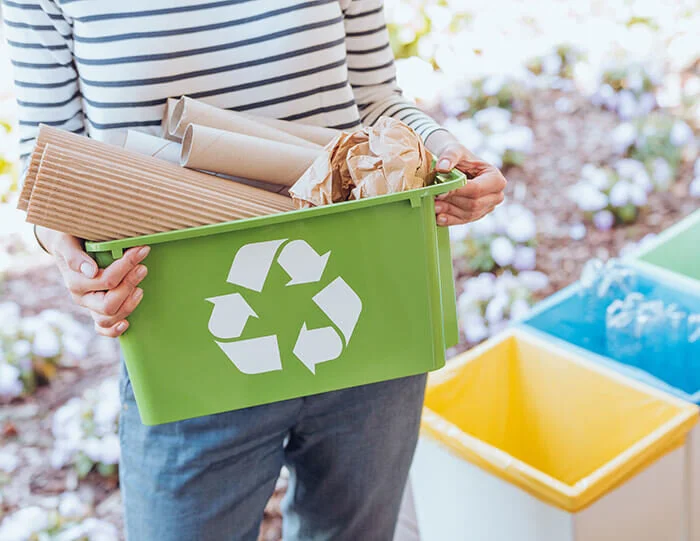
Facts about recycling paper
Over the years, a need to reduce waste presented itself as America faced wars and recessions. The catch phrase “Waste as Wealth’ was adopted in the early 1900s to convince Americans that money could be saved – and earned – by recycling and reselling trash.
Though recycling was first most commonly implemented in the United States, the rest of the world certainly quickly caught on that the idea was a money- and planet-saver. Around the globe, nations began to implement recycling programs including curbside pickup of bottles, cans, paper and more. The number of recycling nations is growing, too, with the European Union and other groups beginning to set mandates for member countries.
So how, exactly, is paper recycled? Let’s look at the process step by step, from collection to what you can do to participate.
Collection
Depending upon where you live, you may recycle in one of two ways. Single-stream recycling is one way households can participate in a community recycling program. With single-stream recycling, consumers may toss any type of recycling material into a single bin, whether the trash be metal, plastic, cardboard or paper. The bin is then collected by a public or private company and sorted at a central facility.
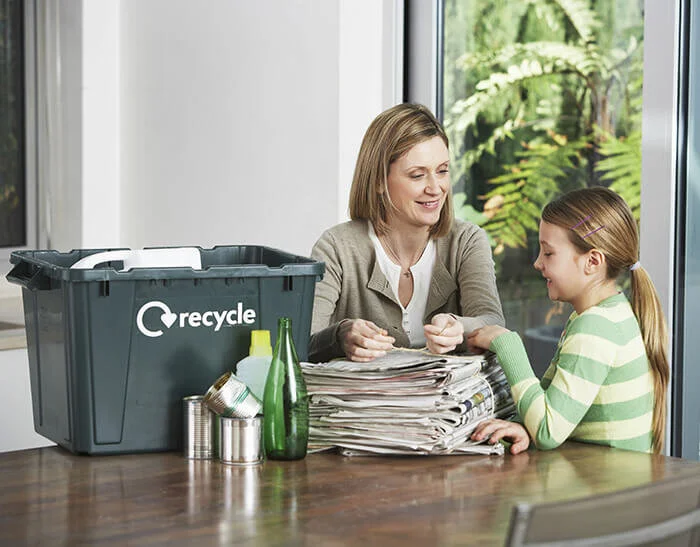
Recycling paper helps saves trees
Sorted stream recycling is a little more labor-intensive for the consumer. Rather than use one bin, sorted stream recycling requires the consumer to separate papers, plastics and metals. He or she may even have to differentiate between types of paper – we’ll talk more about grades of paper a bit later.
No matter which method of recycling is used in your community, the recyclables are taken to a central facility where they are further sorted and processed. How do they get there? Transportation of the materials may take place in a number of different ways.
Transportation
Once you, as a consumer, sort your waste to be recycled it’s got to make its way to the recycling facility. There are three ways this could happen. First, if you live in a more rural area, it’s likely that you’re required to transport your own materials to a recycling center. These centers will have different, large, containers for different types of waste: general, bulky, paper, cardboard and more.
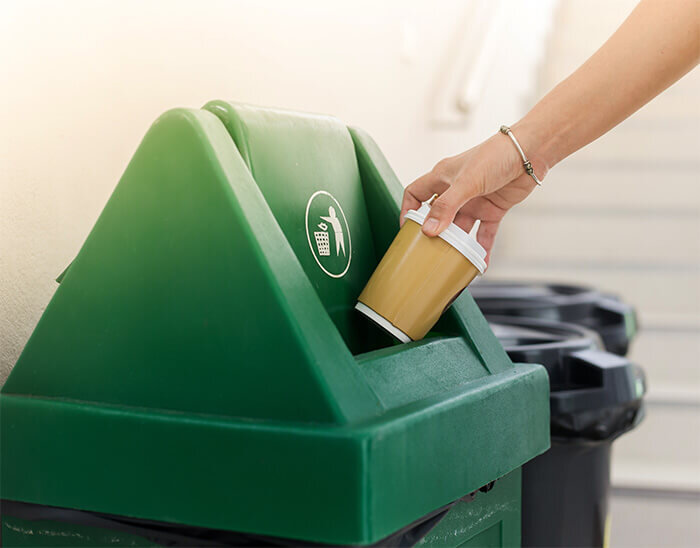
Recycling paper process
A second option for transport is a private company. In suburban areas, it’s common for residents to have the option whether they’d like to recycle or not. If you choose to utilize a recycling service, you’ll pay a nominal fee each month or year. A truck will pick up your sorted materials once a week or more frequently, then transport them to a central processing facility.
The final option is most prevalent within larger city limits. Your trash is picked up as a municipal service. A truck will collect general and recyclable waste and carry it to recycling centers, landfills, or whatever other facility is meant to receive it. There may or may not be a charge for this option.
Sorting
Once your paper reaches the recycling facility, it’s sorted by grade. There are usually humans who will initially sort your paper, but the majority of the process is done with machines. Technology exists that will remove paper clips, staples and plastic windows from your recycling, so there’s generally no need to do this yourself.
You can also add sticky notes, magazines, newspaper, shredded paper and more to your recycle bin. In short, modern technology has made it increasingly easy for the average consumer to participate in a recycling program. This is particularly true for communities that use single stream recycling.
Recycled Paper
In addition to human sorting, your paper products will be sorted by one or more additional modes. Trommels are common – these separators and drum screens will sort by particle size, allowing the smallest of particles like metal fragments and plastics to fall through holes in the drum.
X-ray technology may also be used, though it’s not as common for paper products. X-rays can detect the density of a material and sort accordingly. Metals and plastics are more commonly sorted using this method.
Once paper recycling is sorted, it’s ready to begin its transformation into a new product.
Pulping
After your paper is sorted by grade, it’s time to begin the pulping process. Water and cellulose fibers are the base of all paper products. During the pulping process of paper recycling, a pulp, or slurry, is made from your used paper.
The recyclable paper is first combined with water in a machine called a pulper. Fibers in the paper are separated to create a slurry which is then further decontaminated. Dirt, metal fragments, plastics and other contaminants are removed by way of screens, centrifuges and other mechanical equipment.
During the pulping process, the pH of the slurry is also monitored. This helps to begin the de-inking (deinking) process. Chemicals such as hydrogen peroxide, lime, calcium chloride and sodium hydroxide are used in this step.
The end result of the pulping process is a (usually) grey-colored material that’s almost ready to be converted into a new paper product. The final step before the creation of the end product is de-inking.
De-inking
Most consumers, when shopping for new paper goods, do not wish to purchase paper that is grey or dull. For that reason, a final de-inking stage is necessary. In addition to removing ink, the de-inking process will rid the slurry of all remaining “sticky” substances. (Think envelopes and sticky notes.)
There are several methods used to de-ink slurry, but the most common is the flotation method. Flotation de-inking is actually a simple process. The slurry is heated to a temperature of 115 to 130 degrees Fahrenheit. Air is injected into the hot slurry, and the ink-coated bubbles attach to a collector. This creates a froth which is easily removed.
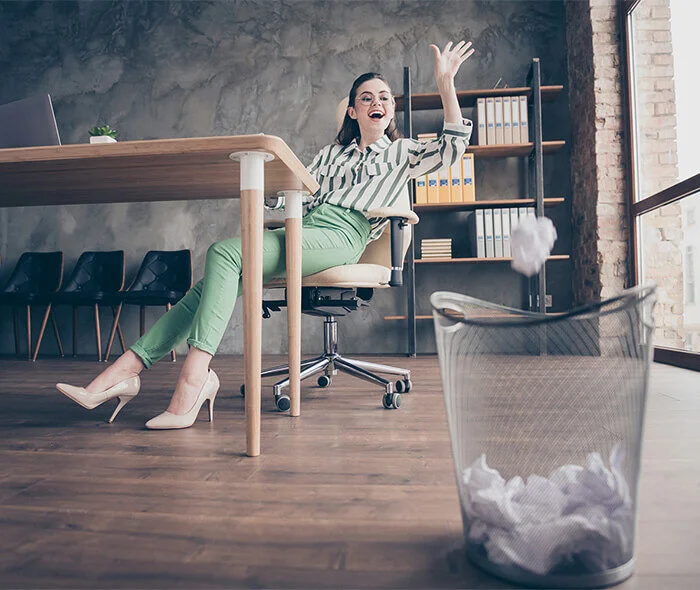
De-inking recycled paper
Wash de-inking is another method sometimes used in recycling paper. Agents are added to the slurry which separate hydrophilic particles from cellulose fibers. The hydrophilic particles include colored inks but also fillers, coating and small sticky particles.
Less commonly, a combination of flotation and washing are used. Alternatively, enzymes and dissolved air flotation methods can be utilized to de-ink your paper; these methods are an eco-friendly alternative to a final method: bleaching.
Recycled paper quality
In recycling, there’s one steadfast rule: paper fibers can only be recycled into products with shorter fibers. That is to say that the “quality” of the recycled product lessens with each trip through the recycling process. A piece of office paper may eventually become toilet paper, but will never become card stock.
Have you ever noticed the label on your recycled paper? It may say something like, “This product contains 80% post-consumer content” or something similar. What this indicates is that your product contains 20% virgin fibers. When creating products like office supplies and even cardboard, virgin fibers are necessary to ensure the strength of the final product.
That said, it’s possible you may have products in your home that are 100% recycled content. These may include:
Printer/copy paper
Craft paper
Envelopes
Paper towels
Toilet tissue
Facial tissue
Paper bags
Please note that just because these products contain 100% recycled materials, that does not mean that they’re of a lesser quality than other products.
In addition to the integrity of your final product, sometimes virgin fiber is added for another reason: not all paper can be reclaimed. For instance, a greasy pizza box will not recycle effectively. Dirty paper towels and tissue are other examples of paper products that can’t be recycled.
If you can buy 100% recycled paper, by all means do! But realize that virgin fibers will comprise some of the products you purchase, simply due to the nature of recycling.
New papermaking
You may be wondering how, once your paper is converted into a slurry, new paper is made. There are a number of videos on the internet that can actually show you the process from start to finish.
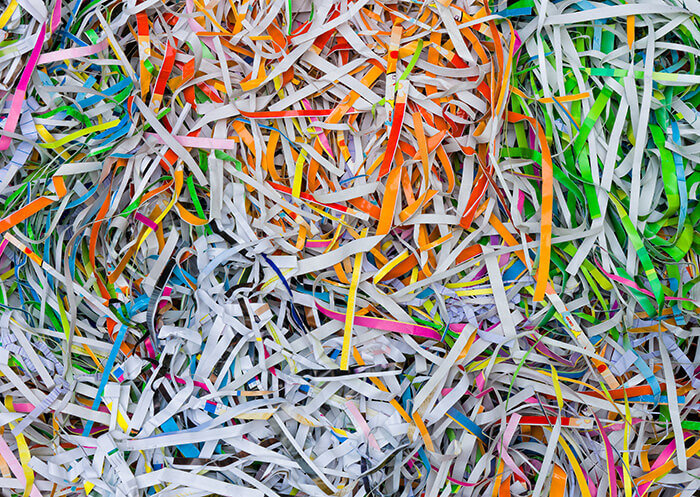
Papermaking process on Recycled Paper
Once your recycled waste is in the form of a de-inked pulp, it only takes about 30 seconds to become paper. First, the pulp enters a machine at a concentration of approximately 99.5% water and .5% fiber. In other words, it’s mostly liquid, and that liquid needs to be eliminated.
The pulp passes through a roller and along an absorbent cloth. Most of the water is absorbed by the cloth, and that water is usually cycled back to the beginning of the process so as not to waste resources. The semi-dried sheet of paper is then passed through heated rollers to complete the drying process.
In some cases, this is almost the end of the recycling process. However, the resulting paper isn’t the pristine white some customers expect or want. Therefore, some recycling facilities will complete the process by spraying the newly pressed paper with a white ink, then passing it through a final drying step. The new paper is ironed, rolled onto large spools and the new papermaking process is complete.
Grades of paper
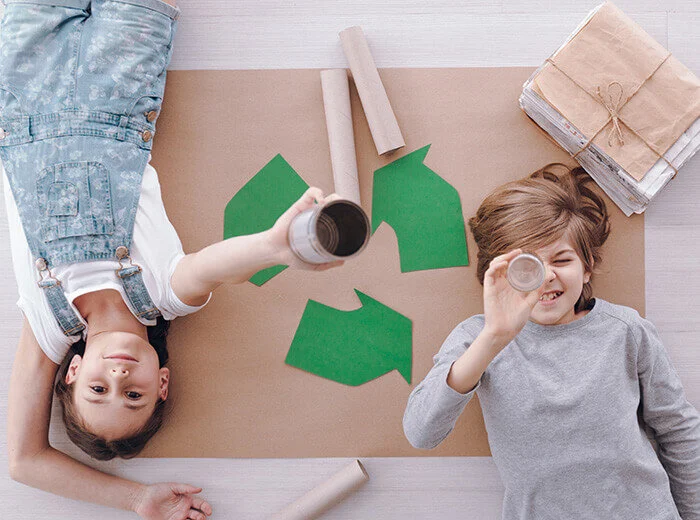
How does paper recycling work?
Earlier we mentioned that not all paper is created equally. There are different grades of paper, and that’s true for both virgin and recycled products.
The different grades of paper range in thickness and strength from tissue to fiberboard. You’ve probably seen examples of these recycled products in your home or in stores. They include:
Newsprint
Tea bags
Paper bags
Tissues
Paper towels (varying strength)
Shoeboxes and cereal boxes
Corrugated cardboard
Fiberboard
As stated previously, recycled content does not mean a lower quality of paper. There are four categories of paper grading: newspaper, high-grade paper, mixed paper and corrugated/kraft paper. Within these categories there are a number of more specific grades, including the ones mentioned above.
Knowing the grade of your paper can help you to recycle your household waste effectively. However, as noted earlier in this guide most recycling programs will now sort your recyclable waste for you.
How to recycle paper properly
Many people would love to begin recycling but feel intimidated by the process. This confusion can be further compounded by the fact that different areas of the world accept different items for recycling.
When recycling your paper product, the most important thing to remember is that contamination is not acceptable. That means that your greasy pizza boxes, parchment paper with cooking oils and similar waste should not be recycled. With that said, before you toss your waste in the bin, do a bit of research to determine whether it can be composted.

Recycled paper quality
The second point to remember when you’re beginning to recycle is that reusing a product is always more environmentally friendly than recycling. If you have shipping boxes, magazines, office paper or any other recyclable, research nearby organizations that may be able to use those products. Post a local free classified ad and let businesses, artists and even schools know that you have items to donate.
Once you’ve determined that your waste can – and should – be recycled, the rest is simple. Contact your local government office to determine whether you qualify for public or private recycling service. In most cases, the rest is as easy as placing all your recyclables into a bin for weekly pickup.
If you do need to sort your items before putting them out for pickup, note that different municipalities may have different requirements. Read through the guidelines set aside by the recycling agency. These guidelines will give you specifics as to the correct way to sort and dispose of your paper products.
Familiarize Yourself With Paper Recycling Standards and Requirements In Your Local Area
More and more, people are catching on to the fact that recycling is not only eco-friendly, but quite easy! Familiarize yourself with the recycling paper and recycling standards and requirements of your area, then simply get started! In most cases, recycling is as simple as dropping your waste into one bin for weekly pickup.

Shana Thompson is a full time professional writer and editor. Shana has worked extensively in the fields of content marketing, on-page and off-page SEO (guest posts, backlink acquisition), and creative writing. As an experienced pro content writer, Shana has worked on several magazines, publishing companies and marketing agencies. Many recent projects have included everything from nutrition and health services, where a lot of research and citations were needed, to writing about health, sustainable, eco-friendly products.
Follow Shana at Shana Thompson









Finding the best natural and organic pillow online is hard to do, but we are here to help. We researched, tested, tried, slept on, crushed and even had a few pillow fights. We completely love finding the non-toxic pillows that are made without bad chemicals and toxic fire retardants. Enjoy our updated 2025 list of the top reviewed natural and organic pillows.