

Plastic Recycling Numbers and Recycling Materials To Keep The World Green
Plastic waste has been a huge topic as of late in the news cycle and local government as more and more states and countries are starting to ban single-use plastics from plastic grocery bags to straws. Reducing plastic use is the best way to keep it from entering water systems and overflowing landfills, but you can’t always avoid using it. Luckily, most plastic items can be recycled, though some are less energy-intensive than others.
If you’ve taken a good look at the bottom of plastic bottles, containers, and jars, you’ve probably noticed a recycling logo with a number in the middle along with some letters stamped underneath. The Society of Plastics Industry (SPI) implemented a numbering system back in 1988 as a way to identify the different types of plastics when sorting for recycling. Most people probably don’t pay too much attention to these numbers, but it’s still a good idea to understand what they mean in terms of recycling.
Resin Identification Code

Plastic Recycling Numbers or Resin Identification Code
The number indicated at the bottom of a plastic container is its resin identification code. This number helps recycling plants sort materials based on the type of plastic used for that particular item and how to process it. Depending on the number, the items can be recycled or may end up in the trash for a variety of reasons.
These numbers have been standardized across the world so a 1 in the US will be a 1 in Sweden. Understanding these numbers provides you with the necessary information on whether the item you’re using will end up being recycled or trashed. Since most plastic containers are for single-use, it’s a good idea to check the label before making a purchase so you can avoid more plastic ending up in landfills.
Plastic No 1
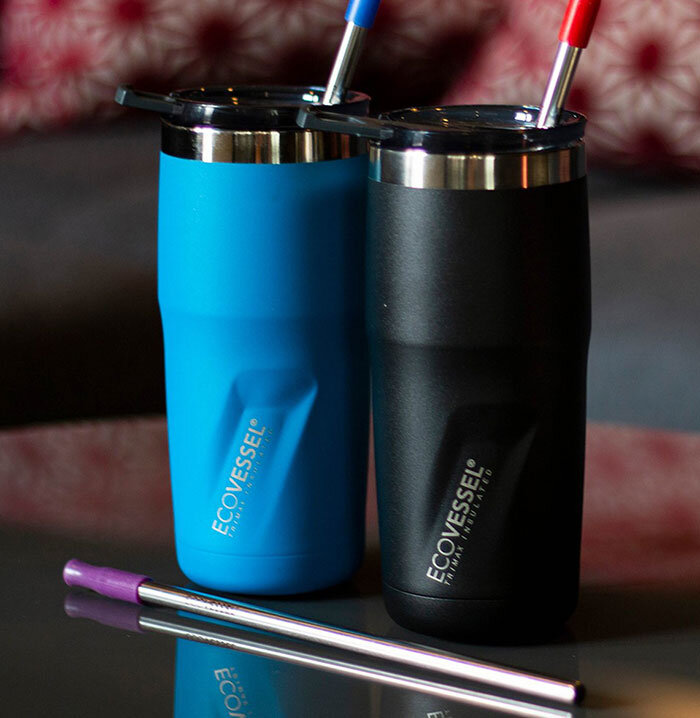
Replace plastic water bottles with reusable ones
The term polyethylene terephthalate (PET or PETE) isn’t a term you throw around in standard conversation. Even if you don’t know what it stands for, you’ve probably seen the PET or PETE letters on plastic bottles. This plastic is probably the one you see the most as it’s generally used for soda, water, peanut butter, salad dressing, and other common packaged goods. Manufacturers use PET bottles due to its strength, thermo-stability, and transparency.
The biggest benefit of PET plastic for consumers and manufacturers is that it is highly recyclable. It can be broken down and reused to make new bottles or, more likely, into completely different items. For example, PET recycled contents can be used to make carpet fiber, fleece jackets, food containers, plastic strapping, jeans, and even shirts! Since it has excellent strength and thermo-durability, it can be recycled into pretty much anything you can imagine.
Even if your area doesn’t have a recycling center, PET bottles are also great for reusing around the house. You can use the bottom of soda and water bottles and planters or cut out a variety of shapes for decorations around the house. There are dozens of DIY projects using these bottles so you can easily find ways to make sure yourself the bottles never end up in a landfill.
Plastic No 2
Plastic 2 is the high-density polyethylene (HDPE) and is also readily recyclable. These are mostly used for packaging items such as detergents, bleach, milk, containers, hair care products, pipes, and motor oil. HDPE plastic has a high strength-to-density ratio, making it perfect for storing more corrosive products. In addition to being strong, it’s also flexible and is often used for plastic bags and cling wraps.
HDPE is highly flexible and can be used in everything from hard hats to house wraps. Invented back in the 1930s, it exploded in popularity in the 1950s and is now one of the most widely used plastics behind PET. Plus, since it’s lightweight yet strong less material is needed for a product. While the production of plastic isn’t necessarily environmentally friendly, at least you can rest easy knowing your milk carton or laundry detergent container isn’t using a lot of plastic.
Like PET plastic, HDPE is also highly recyclable. In fact, it is almost as versatile and popular as its ‘virgin’ counterpart and often used in many of the same applications. Some typical uses include storage containers, plastic lumber, outdoor patio furniture, playground equipment, toys, and trash cans. Most recycling centers accept HDPE plastic so make sure to check the labels so you’re not tossing away these useful resources.
Plastic No 3
Recycling plastic by purchasing reusable drink kits
Plastic 3 is polyvinyl chloride or PVC. You’ve probably heard of PVC or vinyl as it has been in widespread use since the early-mid 20th century. Similar to HDPE, PVC is very strong and resistant to oils and chemicals, sunlight, weathering, and flame resistant. It’s also extremely versatile and thus used in many items such as bottles packaging, toys, construction materials, piping, furnishings, imitation leather, and more. It’s currently the third most popular plastic around the world with the numbers increasing every year.
Unfortunately, there are many downsides to PVC. As with most plastics, the production of PVC isn’t particularly green and requires quite a bit of energy to produce. Similar to other plastics, it is not biodegradable and will instead break down into smaller and smaller pieces. Eventually, animals end up ingesting these tiny pieces, leading to an accumulation of plastics in their body. This can lead to significant threats especially in the oceans as these microplastics can lead to blocking digestive tracks in some species and even cause neurological disorders. Studies on humans have shown that we actually eat at least 50,000 plastic particles a year! While all of these plastic parts aren’t PVC, it tends to be the one that has a very negative environmental and human health impact.
In terms of recycling symbols, unfortunately PVC is very difficult to recycle as it contains many additives such as heavy metals and phthalates. Many of the additives are considered contaminants and cannot be separated from PVC easily. Despite its popularity, under one percent of PVC is recycled.
Plastic No 4
Replace plastic recycling with reusable bags
You’ve read about HDPE, now you can learn more about LDPE or low-density polyethylene. Like HDPE, LDPE is a widely used plastic for various containers, dispensing bottles, wash bottles, tubes, plastic computer components, bags, and plastic wraps. It’s a soft, flexible, lightweight, yet sturdy plastic material.
Unlike PET and HDPE plastic, LDPE has a lower rate of recycling. However, it is recyclable. If your local recycling center mentions bread bags, freezer bags, squeeze bottles, bubble wrap, and grocery bags that means they accept LDPE. With that said, not every center accepts them so if you see no mention of these items, you should call your local center and ask. Many might not offer curbside pickup, but they may offer drop-off services. For grocery bags, many stores have a drop-off area for your bags.
LDPE tends to be recycled into trash cans, furniture, flooring, bubble wrap, and plastic wraps. You can also reuse these items in a variety of ways. Grocery bags can be reused to carry your compost from your kitchen to your garden. Plastic wrap, so long as it is stored properly, can be reused for multiple items. As well, you can always save bubble wrap should you need to ship delicate items by mail.
Plastic No 5
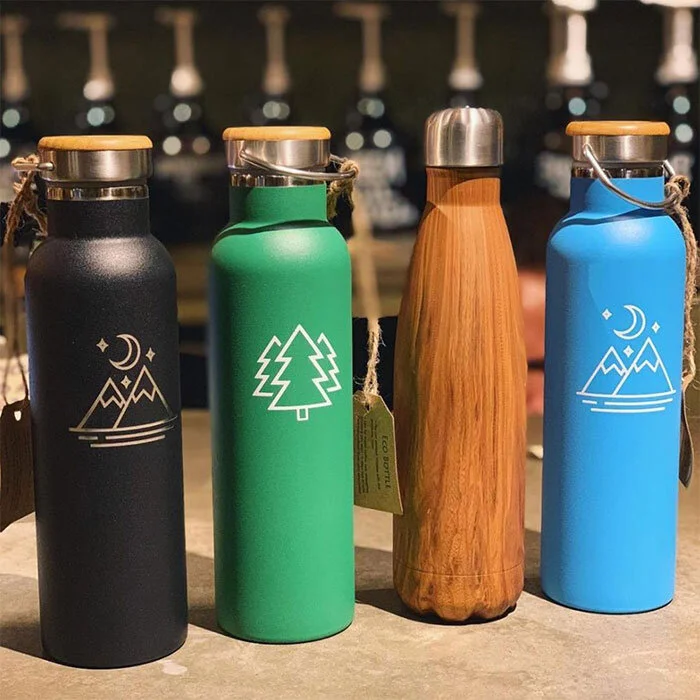
Recycling plastic starts with purchasing reusable items
Another safe plastic is Plastic 5 or Polypropylene (PP). It’s used in a variety of applications, but you probably are most familiar with it in the form of syrup bottles, medicine bottles, yogurt containers, and food storage containers. While these might be the most common uses, PP is used in a variety of products such as carpets, hinges, car components, and more. It offers great chemical, fatigue, and heat resistance making it a very versatile plastic.
For decades, it was very difficult to recycle this type of plastic as it often held onto the smell of whatever product it housed. Some scents were particularly offensive such as gasoline or yogurt. It wasn’t until 2019 that researchers and innovators found a way to ‘clean’ these PP containers on a molecular level and create bottles made from 100 percent recycled plastic. To make things better, these recycled bottles used only one-seventh of the energy to create a virgin PP container.
At present, many recycling centers still might not accept this plastic, but you can always check in advance. Even if you cannot recycle it, there are plenty of ways you can reuse these old containers as handy storage units, measuring cups, and more. Just make sure to thoroughly wash them to remove any unwanted smells.
Plastic No 6
Don’t be fooled by the plastic recycling number and symbol on the back of these products. Polystyrene (PS), aka Styrofoam, is NOT recyclable at curbside pickup. Yes, despite the symbol, PS is actually a part of a longer list of recycling contaminates. Still, it’s not super convenient that you can’t recycle it with the rest of your plastic items especially considering PS is used for a lot of products like cups, foam food trays, packing peanuts, packaging materials, egg cartons, and more.
One of the reasons why many recycling symbol centers don’t accept PS for curbside pickup is because of the properties that make it so attractive for its uses. It’s bulky, but lightweight making it perfect as cushioning to protect fragile items like eggs or glass. However, this also makes it difficult to recycle as there’s not a lot of material to reclaim. With that said, some grocery stores and local recycling companies might have a drop-off location specifically for foam packaging.
It’s one of the reasons why many states are moving away from styrofoam packaging and opting for materials that are easier to recycle such as paper-based products. If you have an excess of PS items, you should consider ways to reuse it instead of throwing it out. Like other plastics, styrofoam can take centuries to decompose and will simply break down into smaller parts than actually biodegrading.
Plastic No 7

Look for the recycling symbol in all plastic products
The final plastic recycling number encompasses all the other plastic products that don’t fit into the other categories. This ‘other’ group could be a mixture of any and all of the above or plastics that are not easily recyclable like polyurethane, nylon, fiberglass, and more. Since this is the miscellaneous category, don’t expect your local recycling center to do accept these in your curbside pickup.
The primary concern for plastics in this recycling number is the potential for chemical leaching into food and drinks. Products such as baby bottles, sippy cups, water cooler bottles, and more tend to fall into this category. In the past, many contained BPA, a chemical used to make certain plastics ore resilient. While there’s conflicting evidence of how much harm BPA does to the body, there have been some studies that show it could negatively affect hormone production and could lead to serious health issues such as diabetes, heart disease, infertility, and more.
While most number 7 plastics cannot be recycled, that doesn’t mean they are all harmful. Many #7 plastics are also compostable and are made from bio-based polymers like corn starch. Look for the PLA initials at the bottom of the container near the recycling symbol. As the name suggests, these plastics can be thrown into your compost bin.
Help Save The Planet By Doing Your Part In Recycling Plastic and Other Recyclable Materials
While a lot of plastic including plastic recycling numbers can be recycled, it’s better to reduce your use as much as possible. Instead of taking a grocery bag, bring your own reusable ones and recyclable materials bottles. Try to bring your own reusable water bottle or thermos with you when you go outside to avoid buying bottled water and juice if you can. Of course, not every area has safe drinking water so it’s up to your discretion.
Of course, it’s not possible to completely avoid plastic as it is used in so many areas in our life. Luckily, the plastic recycling process is becoming much more efficient. Besides, if you can’t recycle, there are plenty of ways you can reuse a lot of your plastic items. Just make sure to dispose of any plastic items that contained harmful products such as gasoline or other chemicals.

Jessica Lauren is Founder, contributing Author and Owner of Citrus Sleep. Citrus Sleep is an online publication that highlights brands, sleep products, women’s fashion, subscription services and ideas creating positive social change and promoting a healthy lifestyle. After spending nearly a decade working in PR and marketing for several brands and startups, Jessica knows what truly drives conversions, sold-out launches and guest posts.
Follow Jessica at @jessicalaurencs | Jessica Lauren








Finding the best natural and organic pillow online is hard to do, but we are here to help. We researched, tested, tried, slept on, crushed and even had a few pillow fights. We completely love finding the non-toxic pillows that are made without bad chemicals and toxic fire retardants. Enjoy our updated 2025 list of the top reviewed natural and organic pillows.