
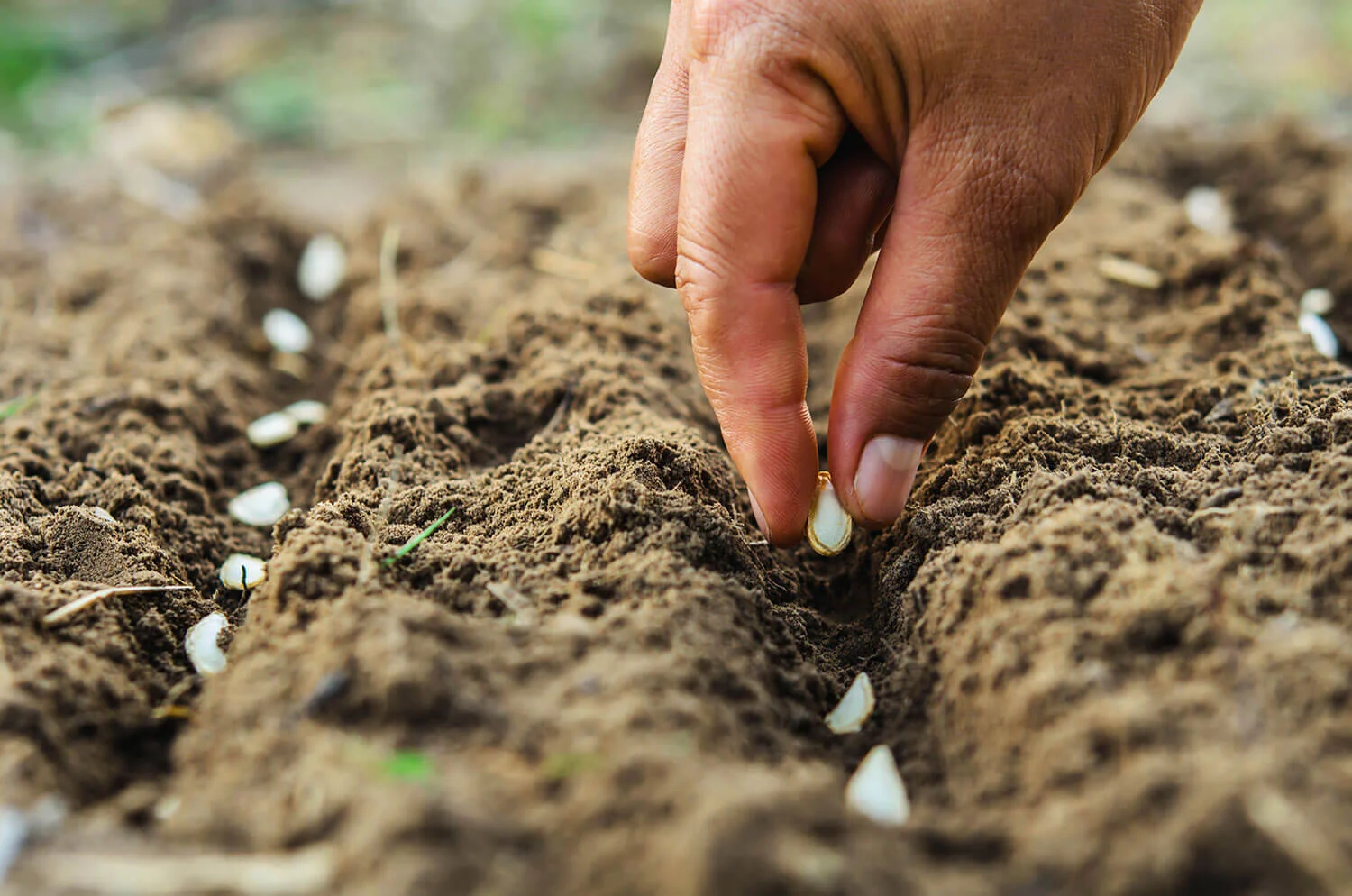
Essential Gardening Tips for Giving Your Seedlings the Best Start
Planting and nurturing your garden from seed is one of the most rewarding experiences for any gardener. Watching tiny seeds grow into vibrant plants is not only satisfying but also an opportunity to save money and gain complete control over the quality and variety of your crops.
Starting plants from seed allows you to grow unique or organic-only varieties while avoiding the risk of low-quality nursery-grown plants. A single packet of seeds can cost the same as a small tray of seedlings but yields far more plants, making it a budget-friendly option for any gardener.
To ensure your gardening efforts pay off, the key is to provide your seedlings with proper care from the very beginning. From soil preparation to watering, fertilizing, and providing optimal sunlight, every step you take plays a crucial role in your plants’ success.
If you’re ready to grow healthier, stronger plants, follow these proven gardening tips to give your seedlings the best possible start and set your garden up for success!
Keep Records To Ensure Better Results
Seedlings and Gardening Tips: Keep Records To Ensure Better Results
There are few activities that are quite as rewarding as growing your own plants, especially if you’re growing an edible garden that will enable you to reap the benefits in so many ways.
However, you’re not going to get very far if you’re disorganized! That’s why keeping good records is so essential.
Whether you’re growing just a few plants for your vegetable plots or you’re employed at a massive nursery, keeping notes of what worked well, what didn’t, important dates, and other information can be invaluable.
You may want to record things such as when seeds are sown, your germination rates, and when your seedlings will be ready for transplanting.
Try to time your production schedule by noting what went right and what did not. This will help you make adjustments for the following year so that you don't get stuck making the same mistake time after time again.
Keeping good records will also help you pinpoint the best time for starting seeds indoors. There are some vegetables, in particular, that shouldn’t be started early from seed. These include things like cucumbers, squash, and watermelon - all of these have fragile roots that are difficult to transplant. For the most part, root vegetables like beets and carrots should be started by directly sowing them in the garden, too.
Get seeds from However, plants like tomatoes, eggplants, and broccoli are all good options to consider if you want to start plants from seed indoors to get a jumpstart on the growing season. Each plant varies in terms of its timeline, but generally, you’ll start seeds about six to eight weeks prior to the last expected frost.
Store Seeds Properly To Maintain Visibility
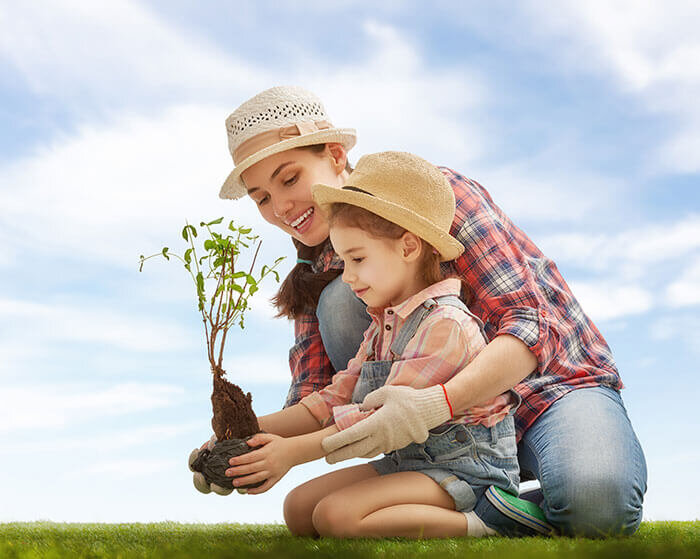
Store seeds properly to maintain visibility
When you’re ready to purchase seeds, get catalogs from a variety of companies. This will help you compare prices. After you've received your seeds, make sure you store them properly.
A mistake that many new gardeners, in particular, make is not storing their seeds properly. Believe it or not, seeds are actually quite fragile, and if they aren’t stored in the right conditions, their viability won’t remain as high as it was before.
Some types of seeds may be able to survive for years (there are some that have even been tested to show that they are thousands of years old!) while others last only a few months, even under ideal circumstances.
In any event, it’s important that you help them maintain their maximum “potency” by storing them correctly. Keep them in a dark, dimly lit location with minimal humidity, such as a refrigerator. Label them by the type of plant, variety, year, and even source. Put them in a small bag.
If you aren’t sure whether these seeds you have are still viable, there’s an easy way you can test it out. Soak the theme in water for a few hours. Those that are still living will sink while the dead ones will float. It’s not 100% but it does offer a good indication of which seeds can be salvaged. It works best for large seeds in particular.
Use the Right Types of Containers To Avoid Overcrowding
It is very easy for seedlings to become overcrowded, especially when you are sowing very fine, delicate seeds like carrots. It can be hard to tell where you’ve already planted!
You can avoid this by planting in wider, more shallow containers. This will prevent your seedlings from becoming overcrowded while also limiting the amount of moisture that gathers around young, fragile roots.
If you have plants that don’t do well with having their roots disturbed, consider growing them in small individual cells. You can use plug trays or cell packs. Even recycled containers such as empty yogurt containers, will work, too. Just make sure you have poked some holes in the container’s bottom for adequate drainage.
In general, plastic containers will work best for starting seeds. That way, you won’t have to worry about moisture retention or the containers getting too overheated.
Regardless of the size or type of container you are using to start seeds, be sure that it is clean and does not contain any pathogens. Sanitize your container by soaking it in 10% bleach. Do this for 15 minutes, then let it air dry.
Tamp Down Your Seeds So That They Make Direct Contact With Soil
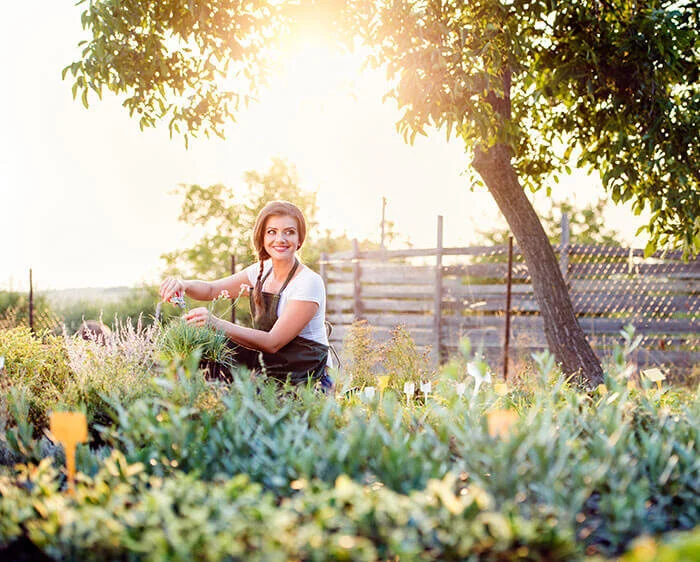
Gardening Pros Advice: Tamp Down Your Seeds
Proper planting is also essential when it comes to getting your seeds started on the right foot (or should we say, the right root!). Spread your seed starting mixture evenly over the top of your seeds. Make sure your seeds are planted at a depth that is approximately two times the diameter of the seed (you can also just reference the back of the seed packet).
When you cover the seeds, make sure they are in firm contact with the surface with a gardening tool. This will help them germinate better. Another thing you can do to boost germination rates is to make sure the soil is moist.
One more tip? When you plant, be sure to label your containers. This will eliminate any confusion later on - you don't want to have to worry about what went where!
Promote Good Airflow and Proper Drainage
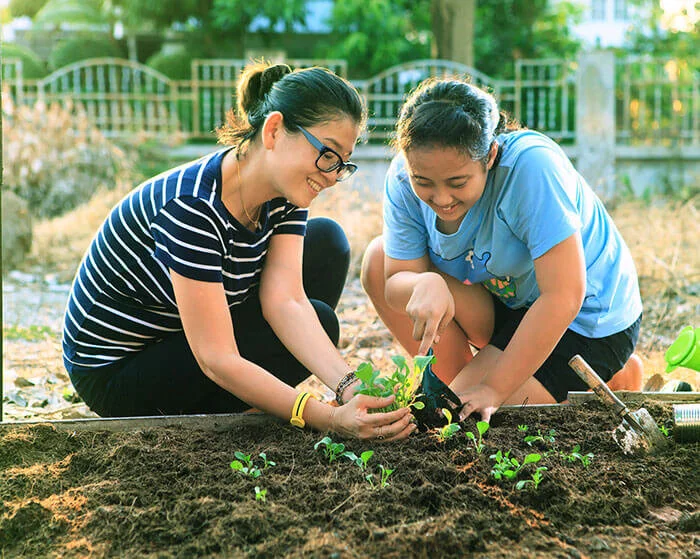
Seedlings Gardening Tips: Promote Good Airflow and Drainage
While seedlings are somewhat protected from disease when they’re started indoors, there is one in particular that you’ll need to be on the lookout for - damping off.
Damping-off is a fungal disease that, like root rot, is caused by too much moisture and too little air circulation. You can take a few steps to prevent this disease.
The first is to place a small fan near your seedlings. By keeping the fan on low, it will improve air circulation and help the seedlings to develop strong stems.
Once you’ve planted, cover the seeds with the mixture and tamp them down, then spread a layer of 50% stone that has been finely ground (the grit you use for chickens will work in a pinch - you can buy this at most farm supply stores) and 50% sphagnum. This is better than a regular soil or seed starting mixture, since it will keep things dry and provide an environment that is inhospitable to most pathogens.
Wrap it Up
Most seeds are extremely sensitive to overwatering and underwatering - call them Goldilocks, but they can be quite particular!
Because of this, you may want to cover your trays with plastic wrap. Not only will the plastic wrap produce a greenhouse-like effect that will make it easier for your seed to germinate, but it will also keep the moisture level consistent.
You’ll still need to check the seedlings daily, but it can help reduce some of these trees when it comes to proper watering.
Once you’re ready to rehydrate the plastic-covered container, don’t worry - you don’t have to peel back the plastic (although you certainly can, if you prefer).
Instead, just put the entire container in a basin filled with a few inches of warm water. Let the soil wick moisture up from the bottom. If only the surface has dried, you can lift the plastic and spritz the surface. Otherwise, no need to add water - the soil has spoken!
If you use the plastic wrap method, just make sure you remove it once the seeds germinate.
Ensure That Your Seeds are Nice and Toasty
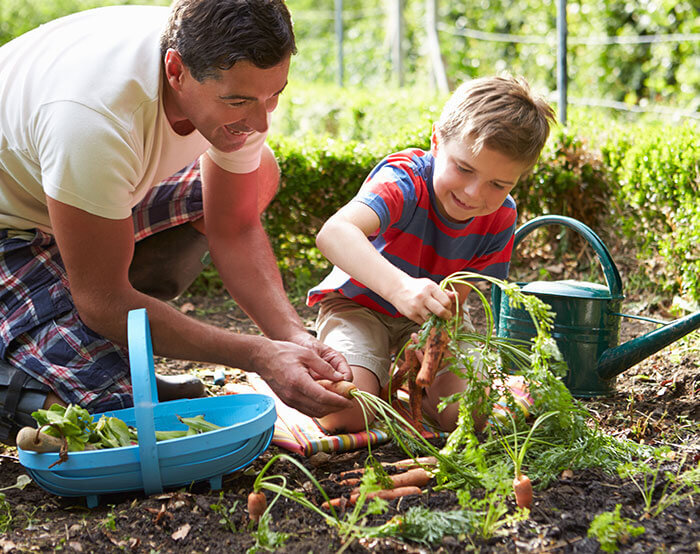
Gardening 101: Ensure Seeds are Toasty
For the most part, seeds require temperatures of around 65 to 75 degrees Fahrenheit in order to germinate. Of course, this does vary depending on what you are growing - some plants, like carrots, like things a bit more chilly!
However, for the most part, they like it warm. You can place your seed trays near a heater. A heating pad can also be used, as can germination mats that are meant specifically for that purpose. This will warm the planting mix and encourage adequate germination.
If you decide to use a supplemental source of heat, be sure to check your seedlings often. The soil has a tendency to dry out faster if supplemental heat is being added.
Prevent Leggy Seedlings by “Rotating” Containers
For the most part, seedlings will not germinate if there isn’t light (although there are some exceptions to this rule).
Because of this, you should try to place your seedlings in a spot where they receive around 12 to 16 hours of light per day. If you’re inside, put your seed containers in a sunny south-facing window. Turn the container by a quarter turn each day. This will prevent them from overreaching toward the sunlight and becoming leggy (this is when they develop long, spindly stems).
To mimic the effect of the breeze, brush the top of your hand against the top of the seedlings each day - this will help them develop strong stems.
If that sounds like too much work, again, using a fan can help. You can install grow lights to help your plants get the light they need without relying on natural sunlight.
Feed Them Well
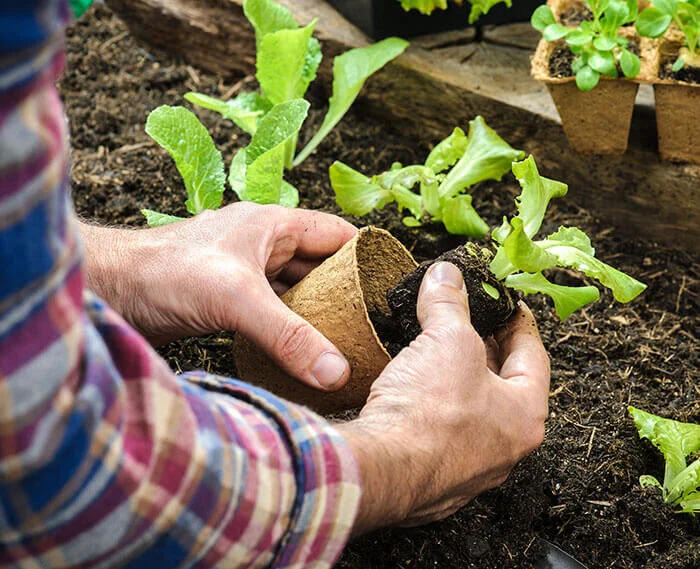
Gardening Expert Tips: Feed Seedlings Well For Best Results
Proper nutrition is essential for all living things - even plants! By adding fertilizer at an appropriate time and rate, you can keep your seedlings growing strong and healthy.
Your seeds will use the food stored in their endosperm to fuel new growth. By the time the shoot and leaves appear, though, these nutrients will be depleted. Seed starting soil mixtures contain some nutrients to help plants make the transition, though often not enough.
Because of this, as soon as you see a set of true leaves on your seedlings, it’s time to start fertilizing. You can use compost tea or a liquid fertilizer diluted to half-strength to do this. Try to apply on a weekly basis.
Acclimate Seedlings To Direct Sunlight
If you’re going to plant seedlings outside - as most people do - you need to make sure you don’t do it all in one fell swoop. They need to be acclimated to fluctuating temperatures, wind, and sunlight first.
Do this over a period of several days. Put your seedlings in direct sunlight during the morning only on the first day, ideally for just an hour or two. Gradually increase the amount of time your plants spend outside until they are strong enough to be transplanted.
With A Little Help From Experts Starting Your Garden From Seedlings Can Be Rewarding
When it comes to gardening, many people are apprehensive about starting from seeds. From the time that you plant your seedlings until the time that they mature into full-grown plants, it can be a long and arduous process for even experienced gardeners.
But with some careful planning in advance and by following these tips, you'll give yourself the best chance of success.
With a little knowledge and a whole lot of patience, you can give your seedlings the best possible start.

Rebekah Pierce is a professional social blogger and has worked on several online publications including Citrus Sleep. Rebekah is an experienced content writer and copyeditor. You will find many of her works throughout CitrusSleep.com that cover a wide array of subjects including sleep education, natural, sleep products, electronics, fashion and many more. She is passionate about her work and family.
Follow Lisa at Rebekah Pierce





Finding the best natural and organic pillow online is hard to do, but we are here to help. We researched, tested, tried, slept on, crushed and even had a few pillow fights. We completely love finding the non-toxic pillows that are made without bad chemicals and toxic fire retardants. Enjoy our updated 2025 list of the top reviewed natural and organic pillows.